
View Quote 0
Vibration Diagnostics on a Turbo Generator Train
Case Studies Articles

Vibration Diagnostics on a Turbo Generator Train

A detailed vibration analysis at BASF uncovered the true cause of a turbo-generator blade failure, demonstrating how advanced rotor dynamic diagnostics prevent misdiagnosis and costly downtime.

Related Articles

Yellotec Partners with ReVibe Energy
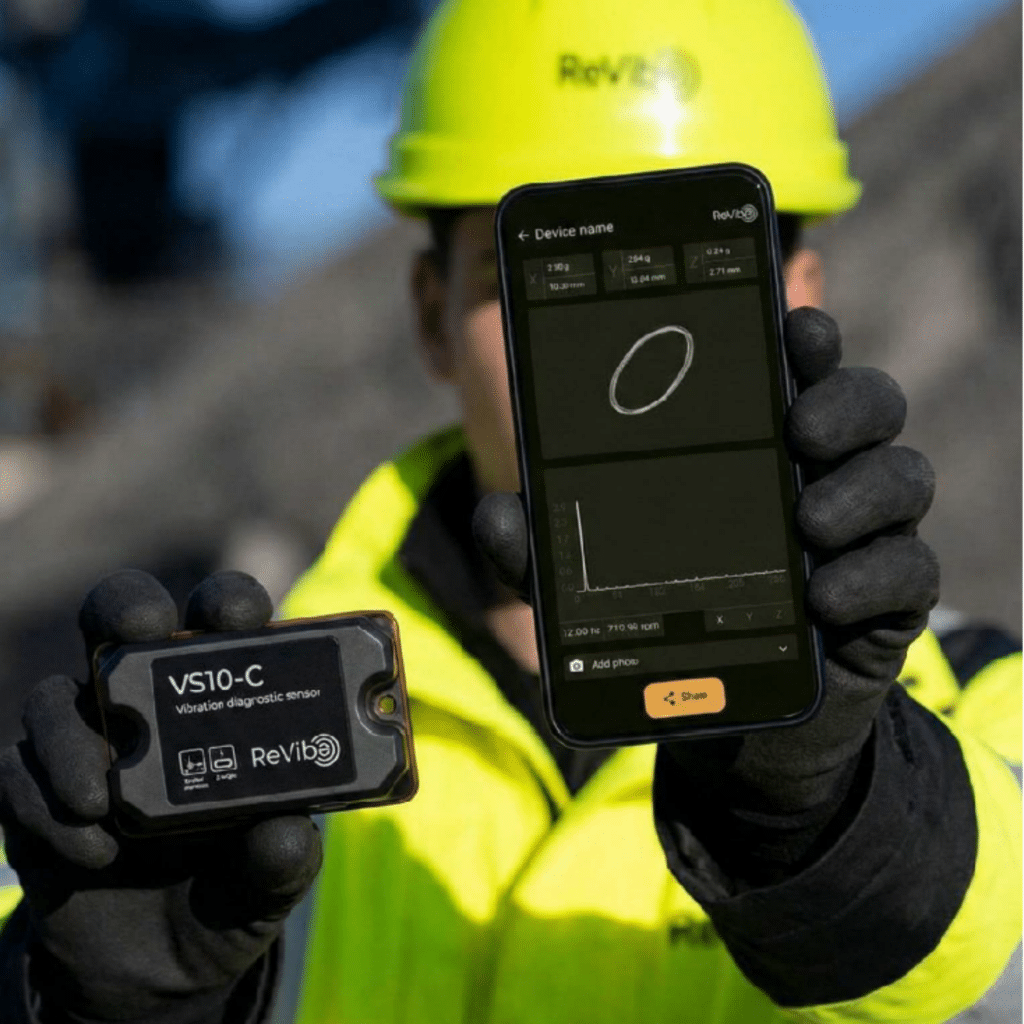
Yellotec is excited to announce a new partnership with ReVibe Energy, bringing innovative wireless, self-powered...
Articles
Vibration Career Blog Image
A Realistic and Trusted Look at a Career in Vibration Analysis and Vibration Monitoring in 2026
Beyond the Viral Moment Following a recent viral TikTok post by Seramphuti, renewed attention has...
Articles Case Studies

Related Articles

Imagine seeing Structural Movements & Vibrations
The patented technology used by RDI enables the measurement of deflection, displacement, movement, and vibration,...
Articles
Presenting the Automated Microscopic Particle Counter from Yellotec
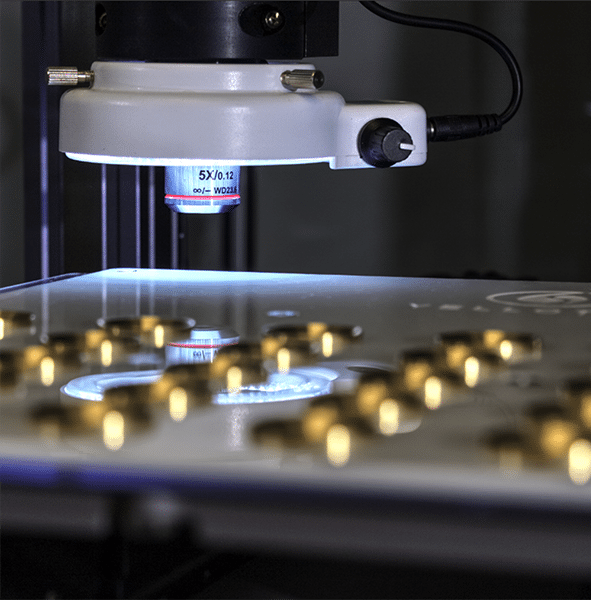
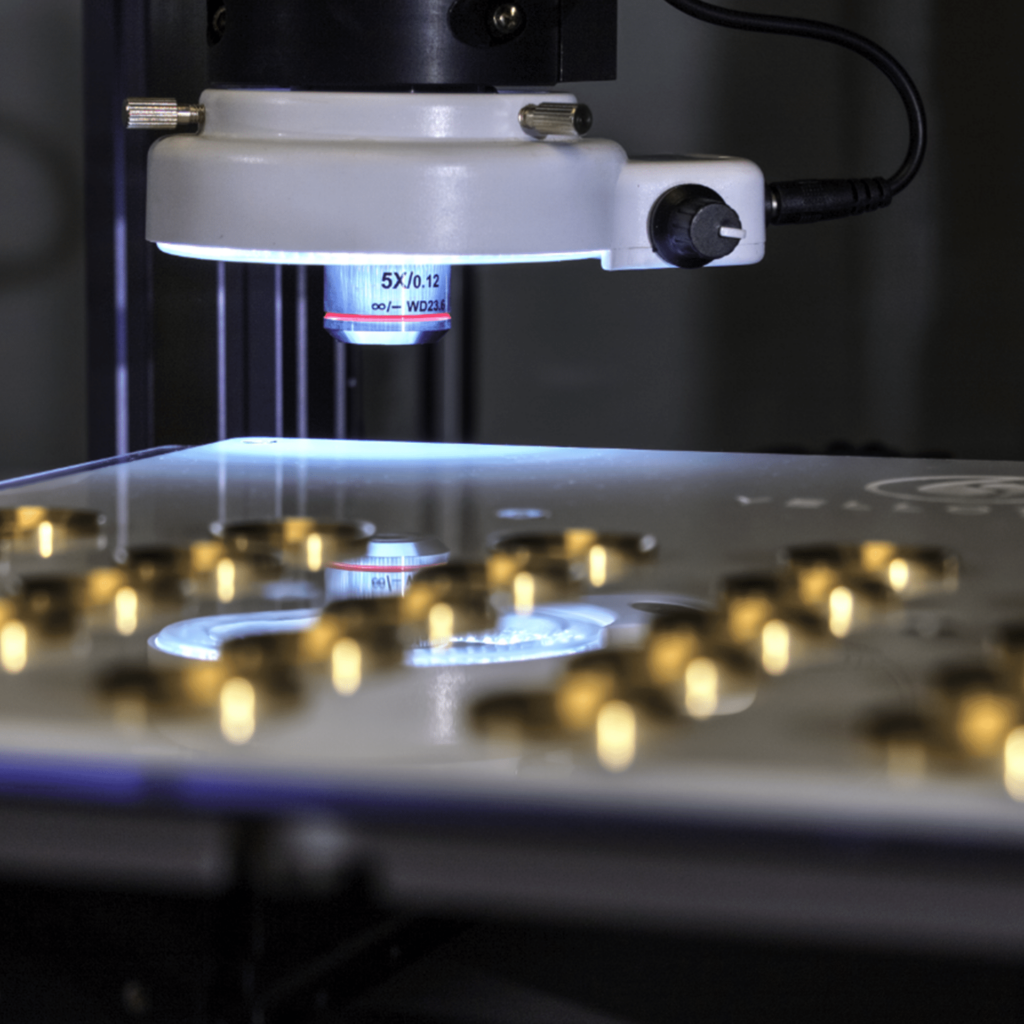
Yellotec is proud to present their in-house designed and constructed Automated Microscopic Particle Counter (AMPC)...
Articles

Advanced Vibration Diagnostics Reveal the True Cause of Turbo-Generator Blade Failure
ViewArticleImage Oros Mar26

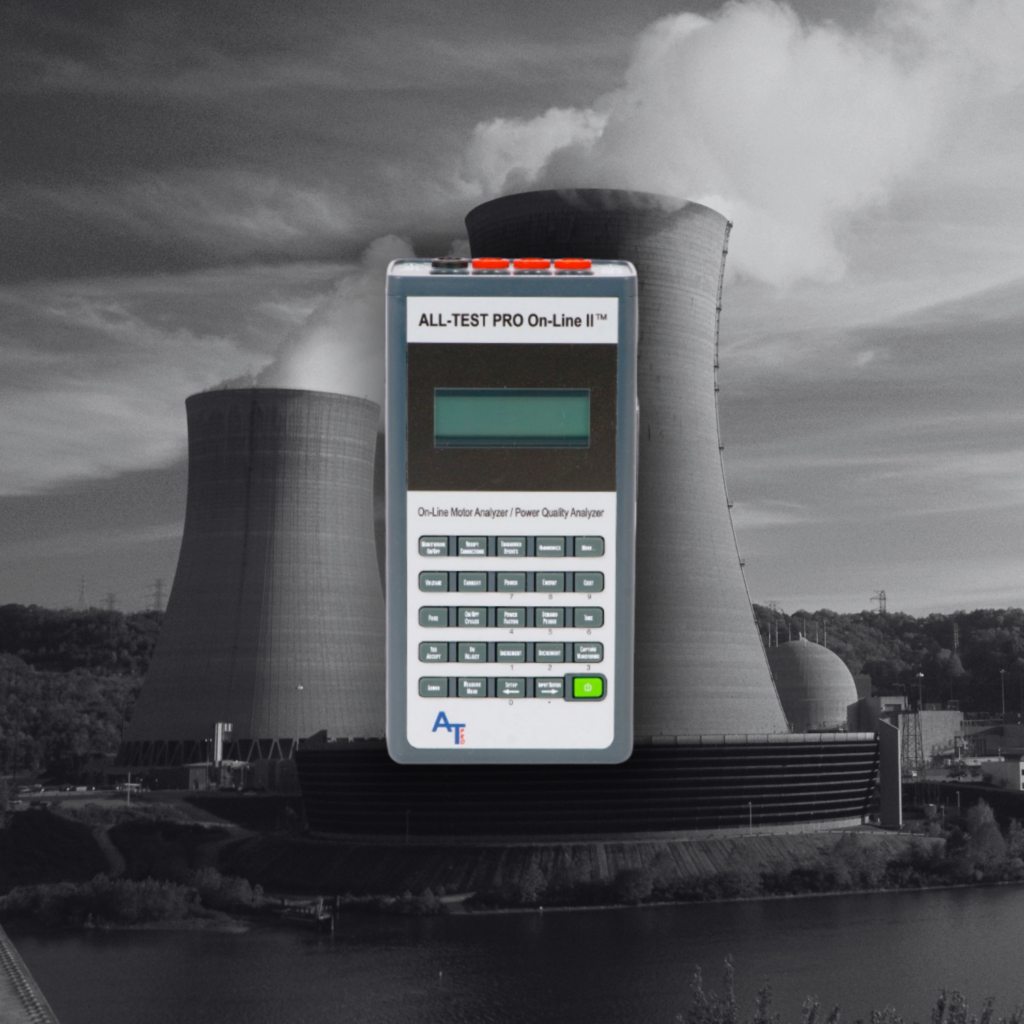
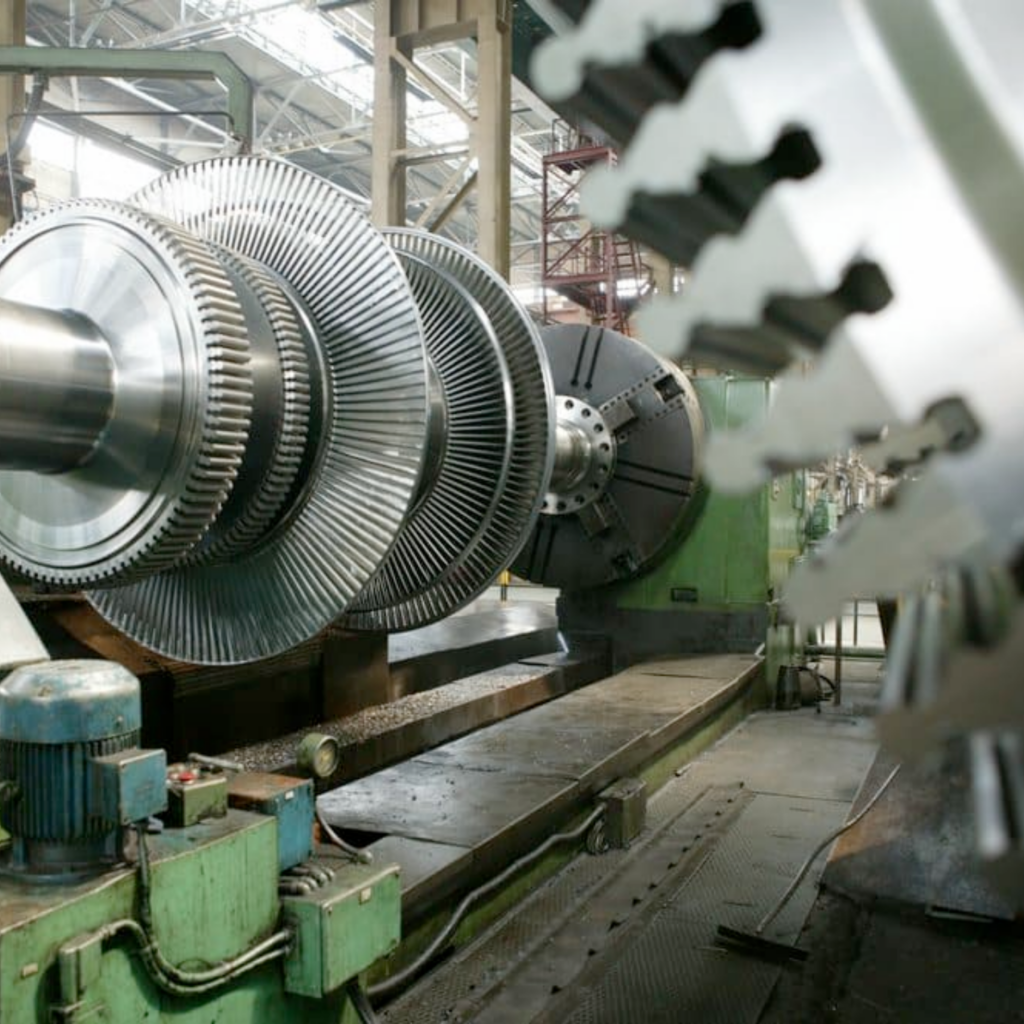
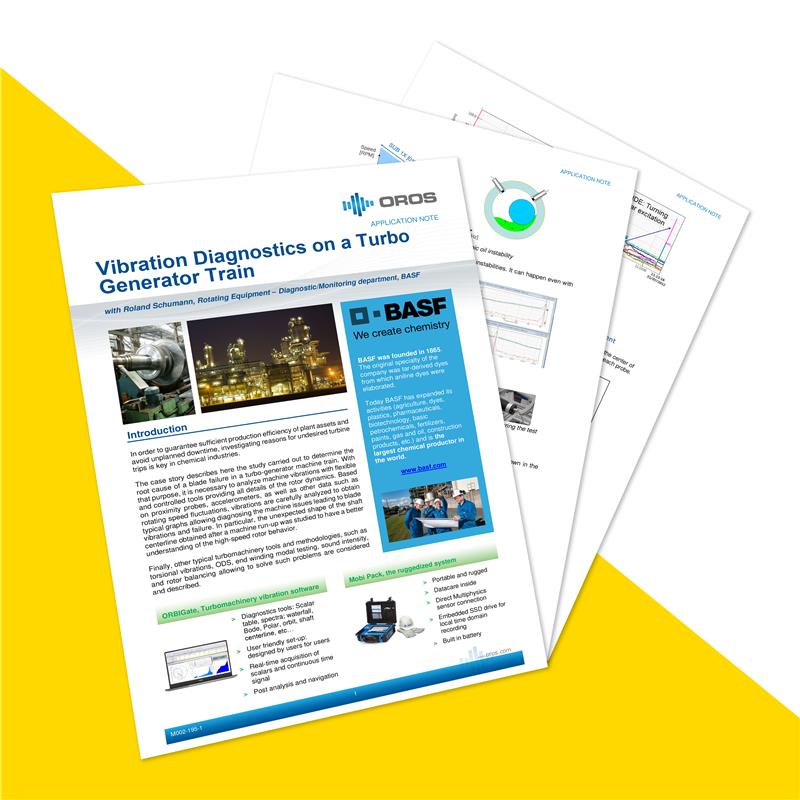
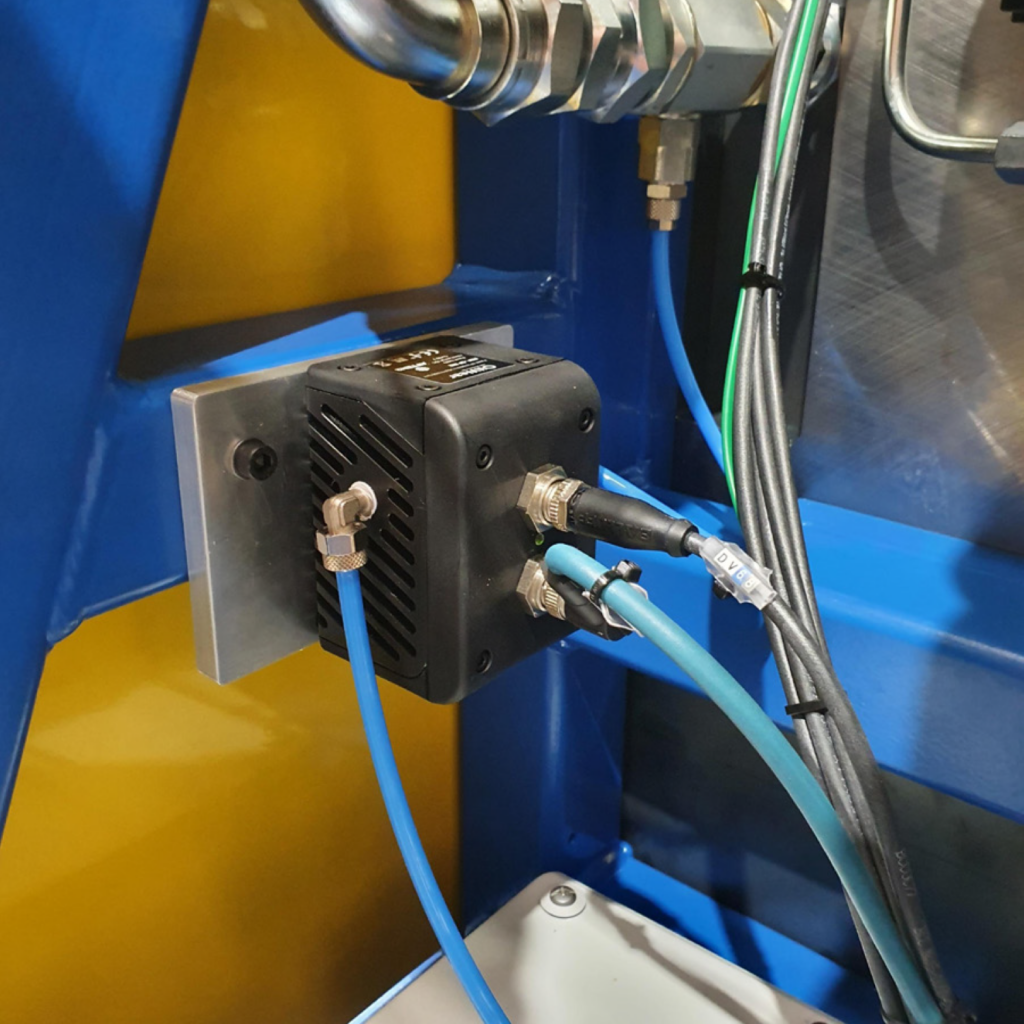
This OROS application note details a root cause investigation into a blade failure on a 15 MW turbo-generator at BASF. After an overhaul, the machine experienced unexpected blade damage, prompting a comprehensive vibration and rotor dynamic analysis using advanced diagnostic tools.

Tests ruled out speed instability, torsional resonance, and balancing issues. The investigation concluded that excessive steam extraction in the exhaust system caused blade excitation and failure, highlighting the importance of in-depth vibration diagnostics in turbomachinery.

Article Highlights:

  • Root cause investigation of a blade failure on a 15 MW turbo-generator at BASF.
  • Advanced vibration diagnostics performed using OROS analyzer and ORBIGate software.
  • Speed stability, torsional vibration, torque, and shaft centerline behavior were all analyzed.
  • No issues found with speed regulator, torsional resonance, or balancing.
  • Slow-roll vibration traced to turning gear eccentricity — not a fault condition.
  • Root cause identified as excessive steam extraction in the exhaust system, leading to blade excitation and damage.
  • Highlights the value of detailed rotor dynamic and vibration analysis in preventing unplanned downtime.

Key Takeaway:

Comprehensive vibration and rotor dynamic analysis is essential for accurately diagnosing turbomachinery failures — in this case at BASF, advanced diagnostics ruled out mechanical and control issues and revealed that excessive steam extraction caused the blade damage, demonstrating the importance of detailed data-driven investigation to prevent unnecessary downtime and misdiagnosis.
Related Articles

What Gases Can You Detect with FLIR Optical Gas Imaging (OGI) Cameras?
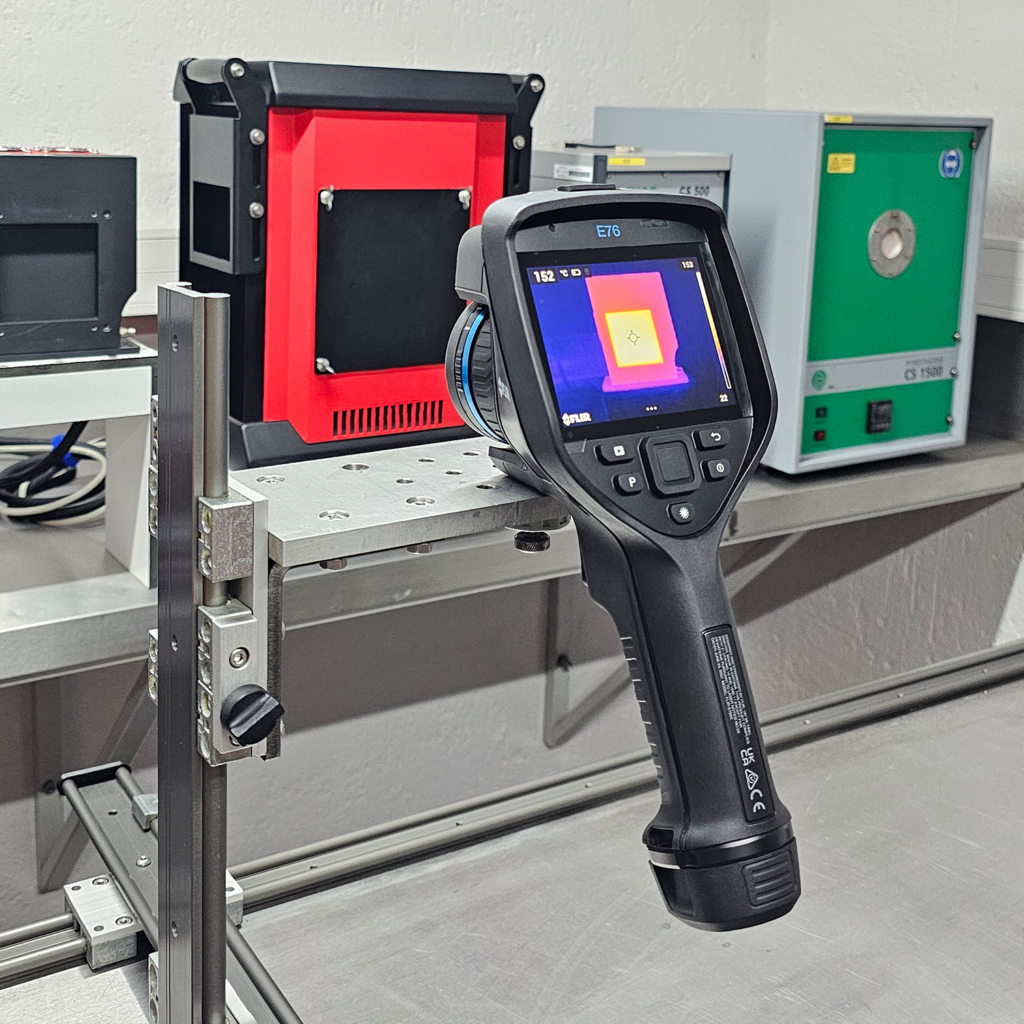
Optical Gas Imaging (OGI) cameras have transformed how industries detect gas leaks by making the...
Articles Case Studies
Why Yellotec’s Calibration Services Are Critical for Reliable Condition Monitoring
In today’s data-driven maintenance environment, the accuracy of your measurement equipment directly impacts your ability...
Articles
Improving Gearbox Test Consistency with Atten[2] OilWear Sensor
Reliable gearbox validation with accurate oil cleanliness monitoring in bubbly conditions. Article Highlights: Key Takeaway:...
Case Studies Articles
Electrical Signature Analysis for Pump Performance
A power plant uses electrical signature analysis for performance assessment. Article Highlights: Key Takeaway: Electrical...
Case Studies Articles

Featured Links

Currently no products have been added to your quote.
ROTALGN FEATURE IMAGE
ROTALIGN Touch
OPTALIGN TOUCH FEATURE IMAGE
OPTALIGN touch
SHAFTALIGN TOUCH FEATURE IMAGE
SHAFTALIGN® touch
ROTALIGN touch EX
PARALIGN Service
PULLALIGN
PULLALIGN LITE 2
Privacy Overview
Yellotec logo in black

This website uses cookies so that we can provide you with the best user experience possible. Cookie information is stored in your browser and performs functions such as recognising you when you return to our website and helping our team to understand which sections of the website you find most interesting and useful.

Strictly Necessary Cookies

Strictly Necessary Cookie should be enabled at all times so that we can save your preferences for cookie settings.